
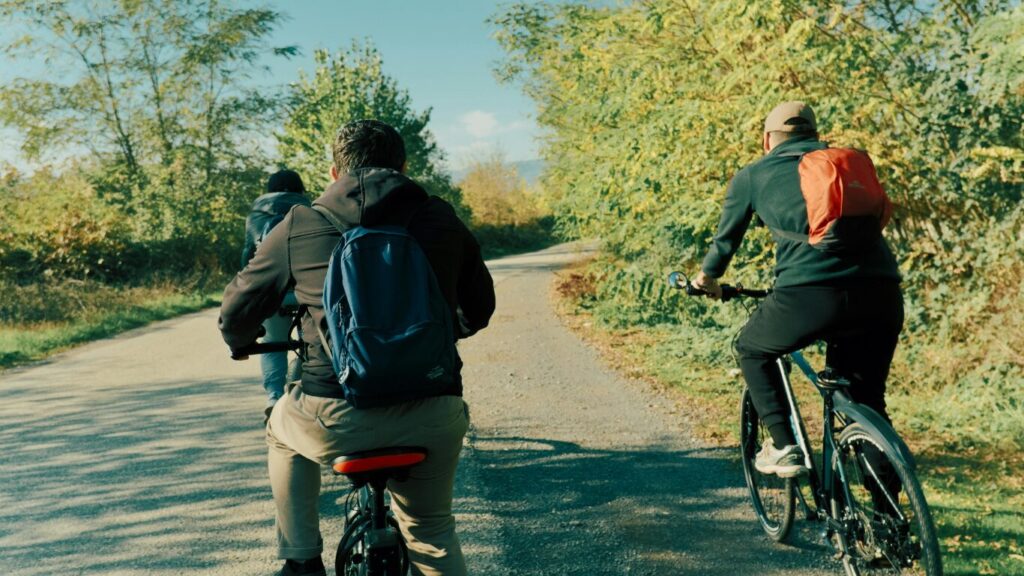
Cycling for beginners can feel a little confusing at first. Many people want to start cycling but aren’t sure what bike they need, where they should ride, or how far their first rides should be.
Still, many beginners ask the same questions: What bike should I get? Where should I ride? How far should I go?
This guide is designed to make cycling for beginners feel simple and approachable.
1. Cycling for Beginners: Start With the Right Bike
Many people think they need the “perfect” bike before they can start. In reality, almost any working bike is enough for your first rides.
Most beginners start with one of these:
- Hybrid bikes – comfortable and versatile
- Road bikes – lighter and designed for speed
- Mountain bikes – good for trails and rough surfaces
For most beginners, a hybrid bike is usually the easiest option.
If you already have a bike at home, it may only need a simple check: brakes, tyres, and gears working properly.
2. Make Sure the Bike Fits You
A badly adjusted bike can quickly make cycling uncomfortable.
Two small adjustments make a big difference:
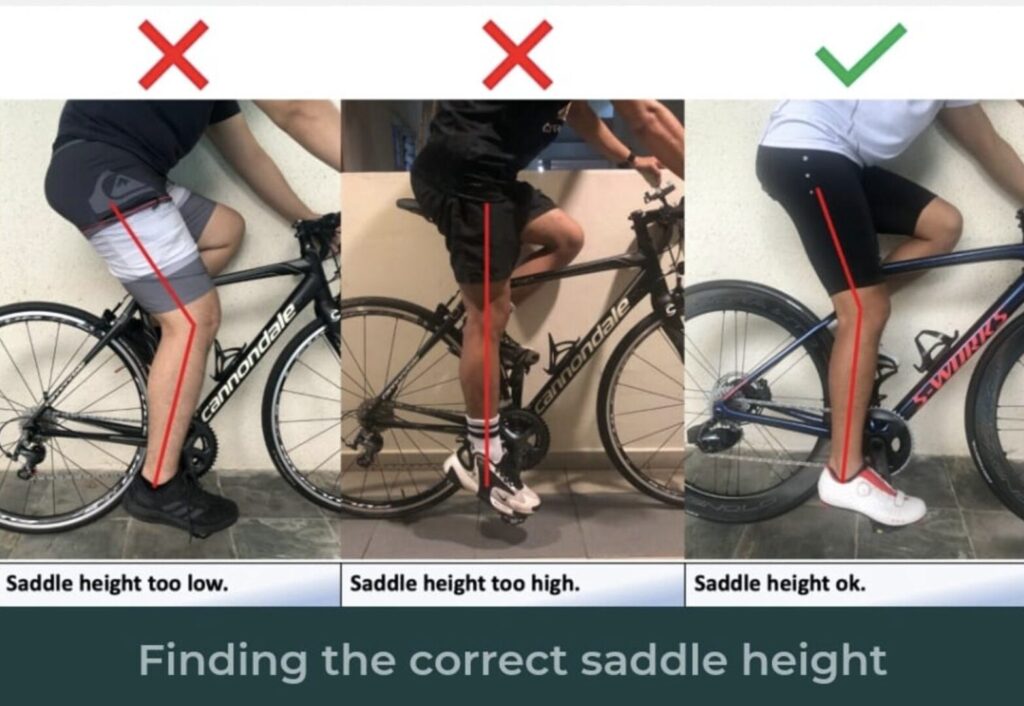
- Saddle height: your leg should be slightly bent when the pedal is at the lowest point.
- Handlebars: you should reach them comfortably without stretching too far.
Comfort is far more important than performance when you’re starting out.
3. Start With Short, Easy Rides
One common mistake beginners make is trying to cycle too far too soon.
Instead, start small.
Your first rides can simply be:
- 10–20 minutes
- around your neighbourhood
- at a relaxed pace
The goal at the beginning is not distance, it’s getting comfortable on the bike.
If you’d like to learn more about cycling safety, organisations like Cycling UK offer helpful guidance for new riders.
4. Choose Quiet and Enjoyable Routes
Where you ride makes a big difference when you’re starting.
Many beginners enjoy starting with:
- parks
- cycle paths
- canal paths
- quiet residential streets
Busy traffic can feel stressful at first, so choose routes that feel calm and safe while you build confidence
5. Wear a Few Basic Safety Essentials
You don’t need lots of equipment to start cycling, but a few basics are important.
Good starting essentials include:
- a helmet
- front and rear lights
- something bright or reflective
You don’t need special cycling clothes either. Comfortable sportswear or everyday clothes work perfectly fine.
6. Focus on Building the Habit
Many people worry about speed or distance when they begin cycling. But the most important thing is simply riding regularly.
Try aiming for:
- 2–3 short rides per week
- relaxed pace
- routes you enjoy
Within a few weeks, you’ll likely notice your rides becoming easier.
Cycling fitness builds naturally when you ride consistently.
Starting cycling doesn’t need to be complicated. Begin with a comfortable bike, choose quiet routes, keep your first rides short and relaxed, and try to ride a few times each week. As your confidence grows, the distance and enjoyment usually grow with it.
That’s really all there is to it — the rest comes naturally once you begin.
SEE ALSO: Running for Beginners: 7 Simple Tips to Get Started with Running
Leave a Reply