
You’ve been meaning to get more on top of your health for months now, not in a bootcamp-at-6am way, but genuiely understanding why your energy dips by 3pm and whether you’re actually sleeping as well as you think you are. The wearable trackers you’ve seen always seem to be either too compicated, too expensive, or basically a second phone strapped to your wrist. So whe something new lands the promises to cut through all that, it’s worth asking: is it actually any good?
In this article, we’re taking an honest look at the Fitbit Air — Google’s brand-new screenless heath tracker, just launched in the UK at £84.99.
what is the fitbit air, Exactly?
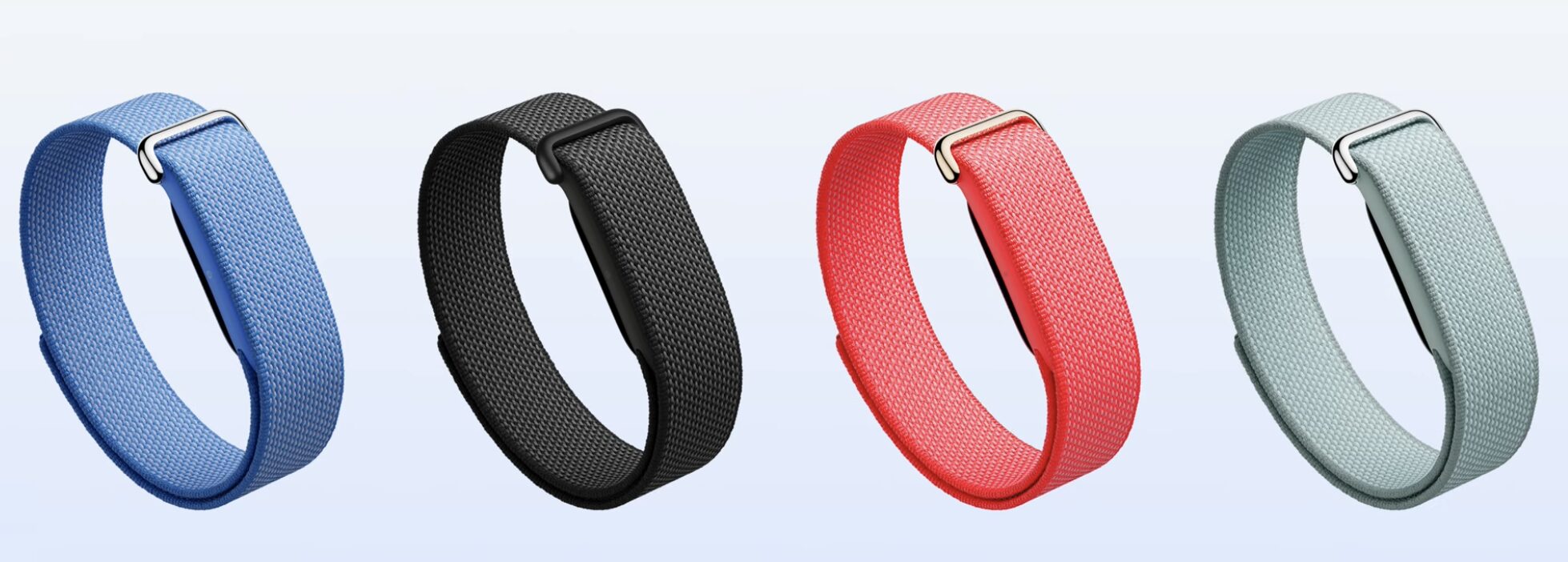
The Fitbit Air is Google’s answer to the Whoop strap, a screenless wristband that tracks your health around the click without trying to be a smartwatch. No notifications. No step counts flashing at you. Just quiet, continuous monitoring that syncs to your phone.
It weights almost nothing, about 5 grams without the band, and it’s small enough that you will forget it’s there, which is rather the point. I sometimes even forget I have it on my arm. So for anyone who finds a chunky fitness watch uncomfortable to sleep in, that matters.
It works on both Android and iOS, and it comes in four understated colours. Very tasteful. Very not-a-sports-gadget.
What does it actually track?
This is where it gets interesting for anyone who cares about more than just steps. The Fitbit Air monitors:
HEart Rate Variabbility (HRV)
HRV is the variation in time between your heartbeats, and it’s one of the best indicators of how well your body is recovering. A good HRV score generally means your nervous system is coping well with stress, physical or otherwise. Poor sleep, a heacy week at work, or fighting off a cold will all show up before you necessarily feel it.
sleep tracking
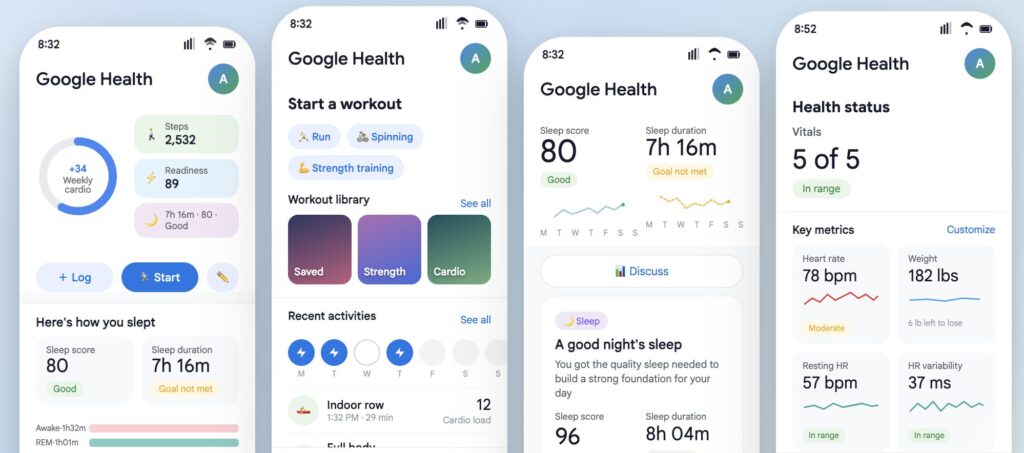
Not just “how long did you skeep,” but sleep stages, breathing regularity, and an overall sleep score. Google claims the Fitbit Air’s sleep data is 15% more accurate that previous Fitbit. There’s also a smart wake alarm that vibrates you awake at the lightest point in your sleep cycle, no more being jolted out of deep sleep by your phone alarm at full colume.
recovery and readiness
Each morning, the app gives you a readiness score based on your HRV, resting heart rate, and recent activity. It tells you whether you to take it easy. If you’ve ever gone to a spin class on three hours of sleep and felt worse afterwards, you’ll understand why this is useful.
blood and oxygen (Spo2) and skin temerature
Both tracked continuously, which can flag early signs of illness, hormonal shifts or altitude effects if you’re a fan of hiking. For women in their 40s and 50s, skin temperature tracking in particular has been noted as a useful indicator during perimenopause, when body temperature can fluctuate noticeably.
a fib detection
The fitbit Air can flag irrigular heart rythm that may be a sign of atrial fibrillation, and critically, it can export that data in a format you can share with your GP. That’s a genuinely usueful feature for anyone who’s been told to keep an eye on their heart health.
what’s the real cost?
The fitbit Air itse’f is £84.99, which is fair, The sting, as ever, is the subscription. The core metrics, sleep, HRV, activity — are free. But the AI health coach, personalised coaching plans, and deeper insights sit behind Google Health Premium.
You get three months free with purshase. After that, it’s expected to coast around £7.99 a month or £79.99 a year — similar to what Fitbit Premium currently costs. It you already pay for google One’s higher tiers (the AI pro plan), you may well get it included at no extra cost.
For context: the Whoop strap costs £169 a year just for the subscription, and you don’t even own the device outright. The Fitbit Ait’s model is considerably friendlier.
is there anything not to like?
A few things worth being honest about. There is no screen at all, so if you want to check the time or see your heart rate mid-walk, you can’t. You’ll need your phome for everything. That’s deliberate design choice, but won’t suit everyone.
The bank needs charging every seven days — manageable, but worth building into your routine. And while the USB-C magnetic charger is a nice touch (five minutes give your a full day’s charge), it’s proprietary, which means you can’t use any of your old Fitbit cables.
The full AI coaching features do require the subscription. The free tier is useful, but if you want personalised guidance, that’s an ongoing cost to factor in.
your next step this week
Before you buy anything, we suggest spending two or three days paying deliberate attention to how you feel when you wake up. Note your energy level out of ten each morning and whether you feel rested. This gives you a personal baseline — and when you start using any wearable, you’ll actually be able to tell whether the data lines up with reality. If foes, you’ll trust it. If it doesn’t, that tells you something too.
Leave a Reply