
Signs your gut health is affecting your energy are often easy to miss at first. You might blame work stress, poor sleep, the British weather, or simply “getting older”. But sometimes, your gut is quietly making everyday life feel much harder than it should.
If you constantly feel sluggish after meals, struggle with brain fog during the afternoon, or rely on endless cups of tea just to get through the day, your digestive health could be playing a bigger role than you think.
This guide keeps things simple. No trendy detoxes. No complicated science lessons. Just practical advice to help you understand how your gut and energy levels are connected and what you can realistically do about it.
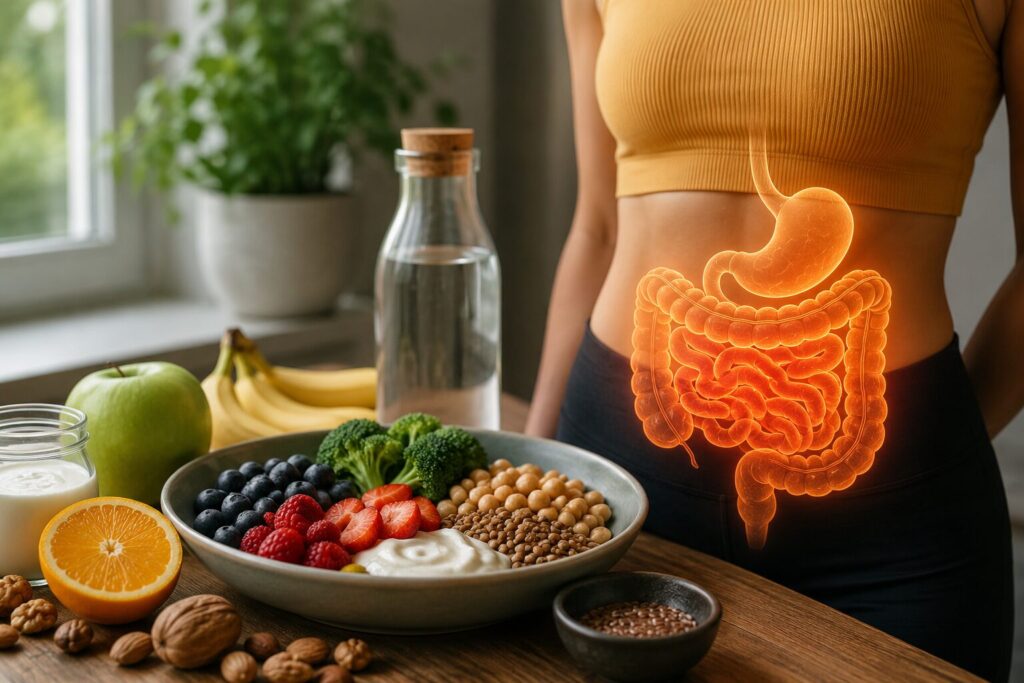
Why Your Gut Health Matters More Than You Think
Your gut does far more than digest food. It also helps with:
- absorbing nutrients from meals
- supporting your immune system
- balancing hormones
- influencing sleep and mood
- helping your body create energy properly
When your gut isn’t working well, your body may struggle to get the nutrients it needs. That can leave you feeling flat, foggy, and strangely tired even after a decent night’s sleep.
Rather annoyingly, many people focus on caffeine or supplements first, while ignoring the digestive issues quietly happening in the background.
Signs Your Gut Health Is Affecting Your Energy
You Feel Tired After Eating
One of the clearest signs is feeling sleepy or sluggish after meals.
A large takeaway or heavy Sunday roast will naturally make most people want a sit-down. But if even normal meals leave you exhausted, bloated, or uncomfortable, your digestion may be struggling.
Your body should feel nourished after eating, not completely wiped out.
You’re Bloated Most Days
Occasional bloating happens to everyone. Constant bloating is different.
If your stomach often feels swollen by the evening, especially after bread, dairy, fizzy drinks, or ultra-processed foods, it may suggest your gut bacteria are out of balance.
Many people in the UK simply accept bloating as “normal”, particularly after busy workdays and quick convenience meals. It really shouldn’t be an everyday thing.
Brain Fog Keeps Creeping In
Ever walk into a room and forget why you’re there? Or stare blankly at emails around 3 pm?
Brain fog can sometimes be linked to poor sleep or stress, but gut health and fatigue are also closely connected.
Researchers now talk a lot about the “gut-brain connection”. Essentially, your digestive system and brain constantly communicate with each other.
If your gut is unhappy, your concentration often follows suit.
Your Sleep Feels Poor Quality
You may technically get 7–8 hours in bed, but still wake up feeling exhausted.
Your gut helps regulate chemicals linked to sleep, including serotonin. Digestive discomfort, inflammation, or eating heavy processed foods late at night can all affect rest quality.
This becomes a frustrating cycle:
- Poor gut health affects sleep
- Poor sleep affects energy
- Low energy leads to poorer food choices
And suddenly you’re eating biscuits at 4 pm, wondering what happened.
You’re Getting Ill More Often
Your immune system and gut health are closely connected.
If you constantly pick up colds, feel run down, or take ages to recover, it may be worth paying attention to your digestive health too.
This doesn’t mean every sniffle is caused by your gut, of course. British winters would challenge anyone. But ongoing low energy alongside frequent illness can be a sign your body needs better support.
Simple Ways To Improve Gut Health Naturally
The good news? You usually don’t need expensive powders or extreme diets.
Small, realistic habits often help the most.
Eat More Fibre Slowly
Foods like:
- oats
- berries
- vegetables
- lentils
- beans
- whole grains
help feed healthy gut bacteria.
The keyword is slowly. Going from zero fibre to a mountain of chickpeas overnight is… ambitious.
Drink More Water
Good hydration helps digestion and can improve energy levels during the day.
Eat Fewer Ultra-Processed Foods
You don’t need to be perfect. Simply swapping some sugary snacks and ready meals for whole foods can help over time.
Move More
Walking, stretching, cycling, or a quick parkrun can support digestion, sleep, and overall energy.
One Of Our Favourite UK YouTube Resources
We really like videos from Dr Rupy Aujla from The Doctor’s Kitchen. His advice is practical, evidence-based, and easy for beginners to follow without sounding intimidating.
A great video to start with is his discussion on gut health and everyday eating habits on YouTube: Watch The Doctor’s Kitchen on YouTube
If you’d like extra help building healthier eating habits, have a look at our guide here: AI Nutrition Guide for Beginners
Practical Takeaway
This week, try one simple change instead of overhauling your entire life.
Add one fibre-rich food to your breakfast. Go for a 20-minute walk after dinner. Drink an extra glass of water during the afternoon slump instead of immediately reaching for another coffee.
Tiny habits sound unimpressive, but they genuinely add up over time.
And if your energy has felt “off” for months, paying attention to your gut could be one of the most useful places to start.
Leave a Reply